Project Shivoham explores the history, wisdom, science, symbolism, and forgotten stories of Indian civilization. It examines India's cultural and spiritual heritage through a blend of historical research and philosophical insight. Episodes discuss topics such as ancient texts, traditions, scientific knowledge, and lesser-known narratives. The show aims to present Indian civilization's contributions and enduring relevance.
Episodes
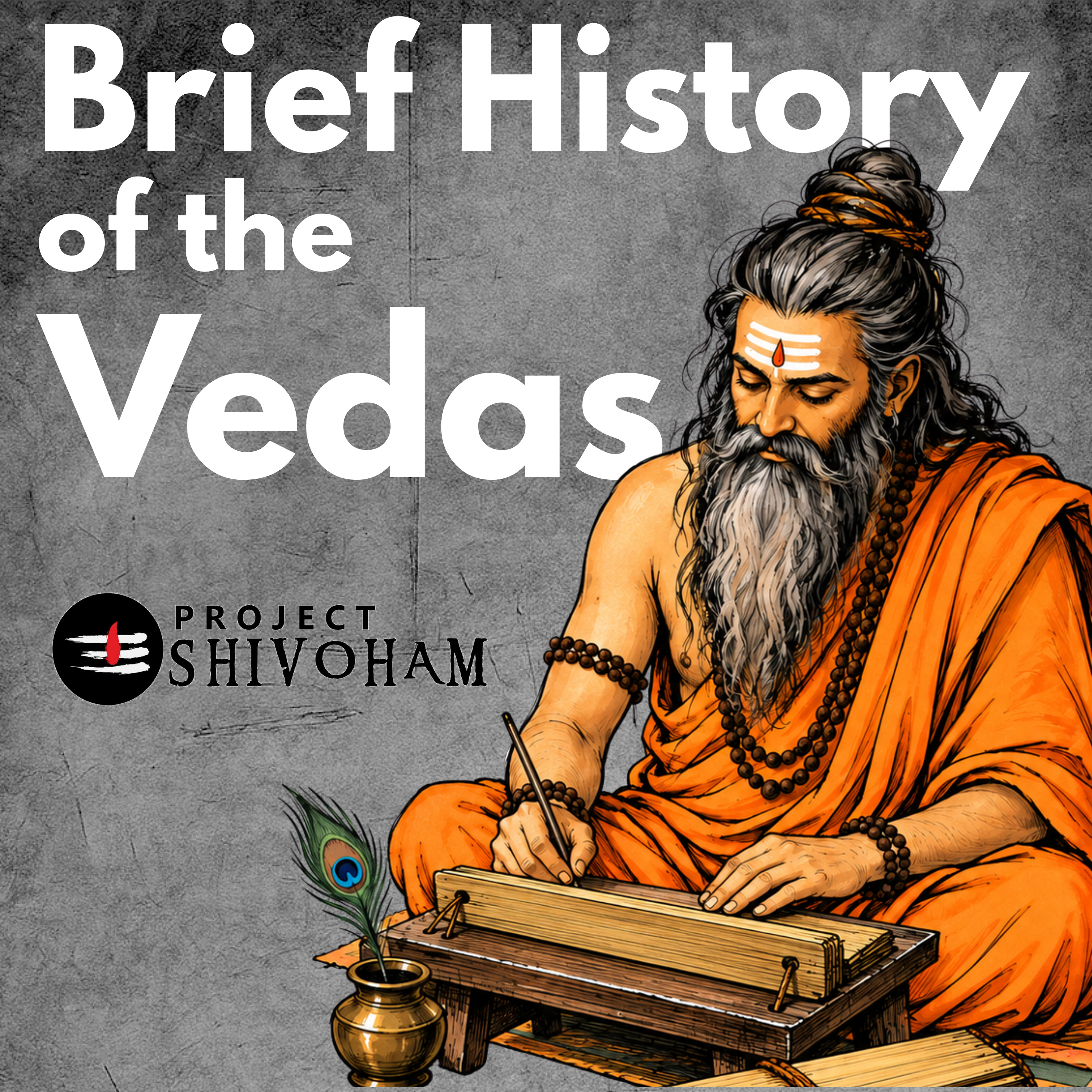
A Brief History of the Vedas
Why was India once known as Vedabhumi, the Land of Knowledge?In this episode of Project Shivoham, we take a journey through the vast intellectual and scriptural tradition of ancient Bharat and understand, in simple terms, how this knowledge system was organized and preserved across generations.We explore the four Vedas Rigveda, Yajurveda, Samaveda and Atharvaveda along with the Samhitas, Brahmanas
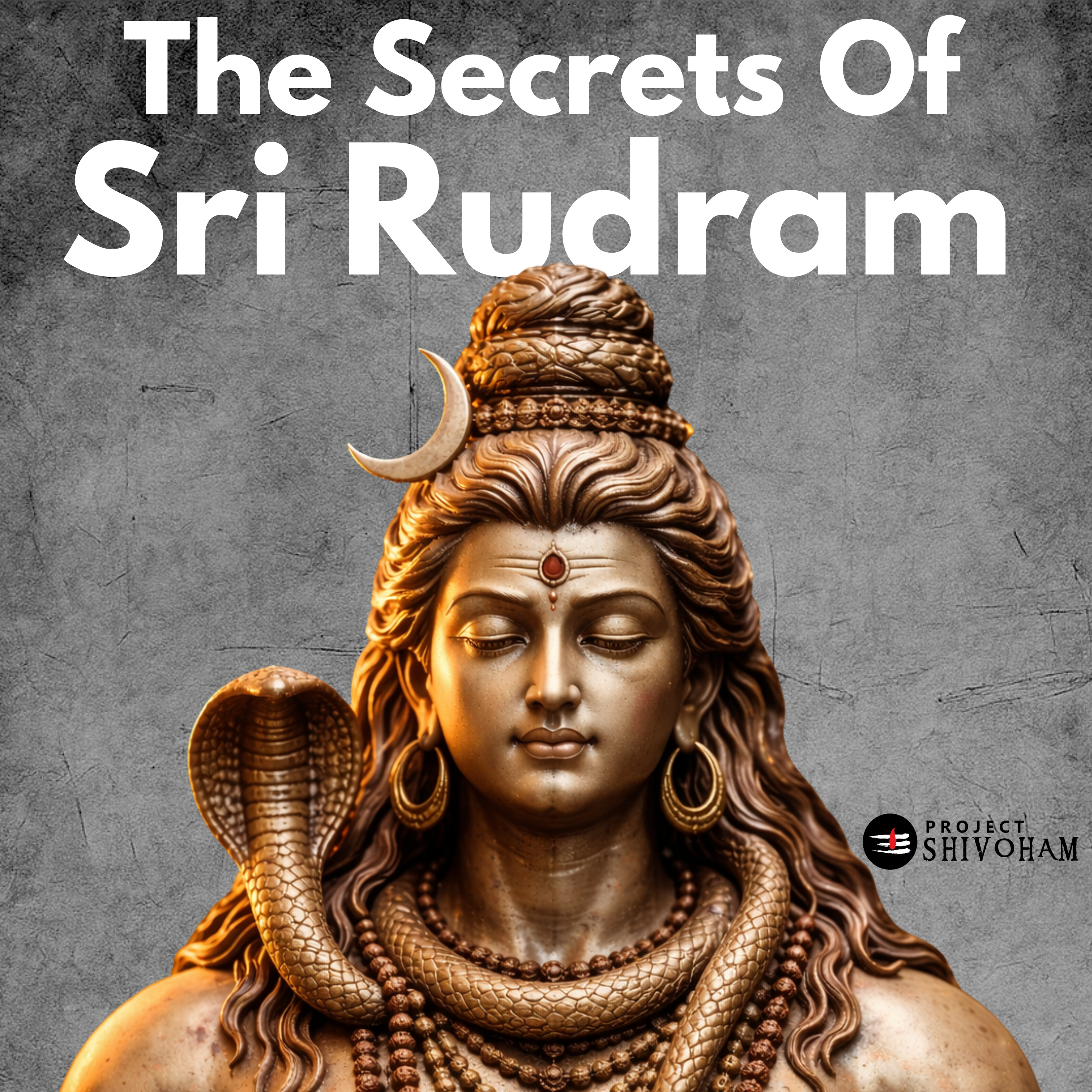
The Secrets of Sri Rudram
What does Sri Rudram actually say?Recited for thousands of years in Shiva temples across Bharat, Sri Rudram is one of the most powerful sections of the Yajurveda. Yet while millions have heard these mantras, very few know what they mean.In this episode, we explore the deeper ideas hidden inside Namakam and Chamakam: Rudra as present in every section of society, in craftsmen, hunters, animals, tree
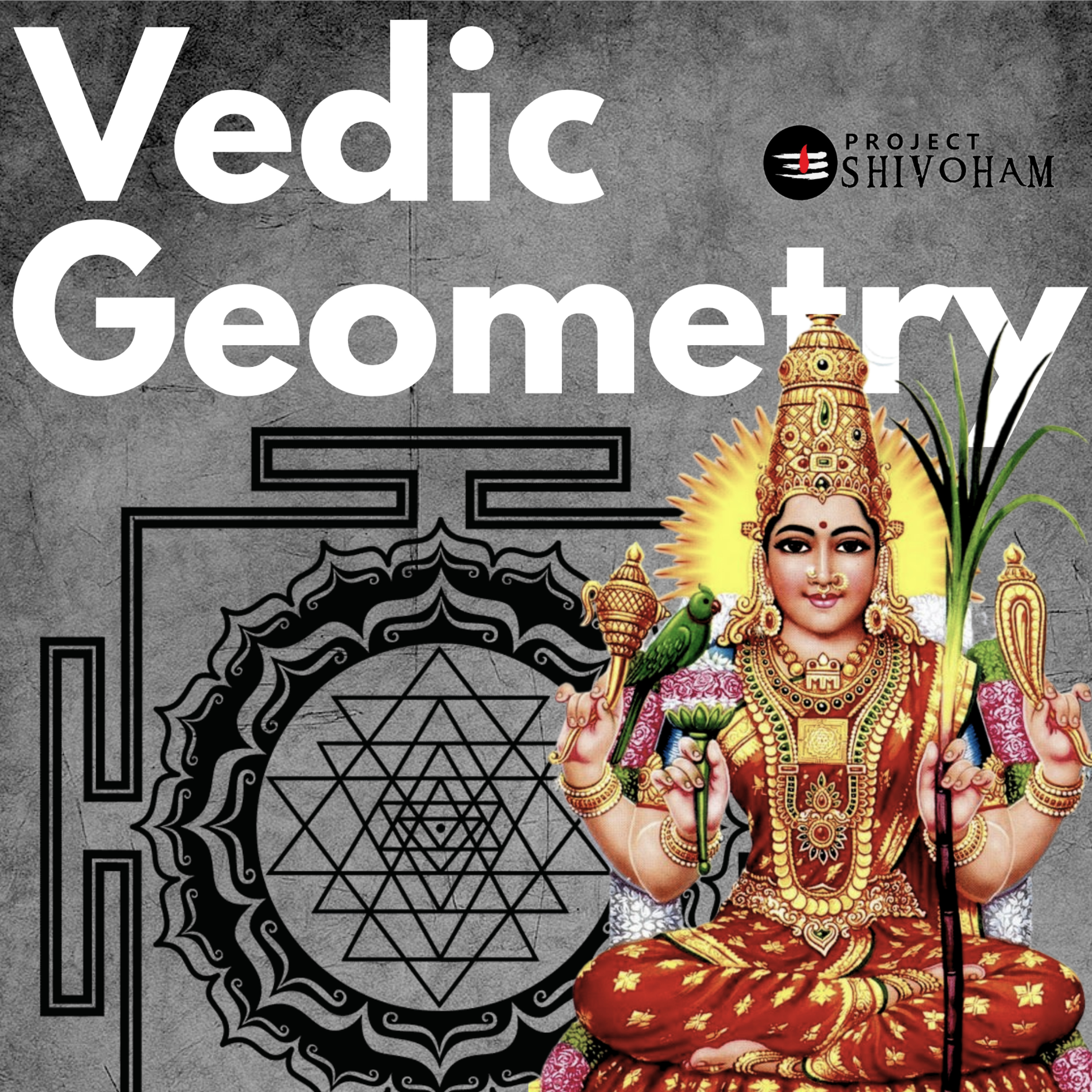
Vedic Geometry: How Ancient India Measured?
How did ancient Indians construct precise fire altars, align structures with the cardinal directions and design extraordinarily complex temples all without modern measuring instruments?In this episode, we explore the remarkable world of Vedic geometry through four ancient traditions: Kalpa, Jyotisha, Shilpa Shastra and Srividya.Discover how the Shulba Sutras used ropes to construct geometrical for
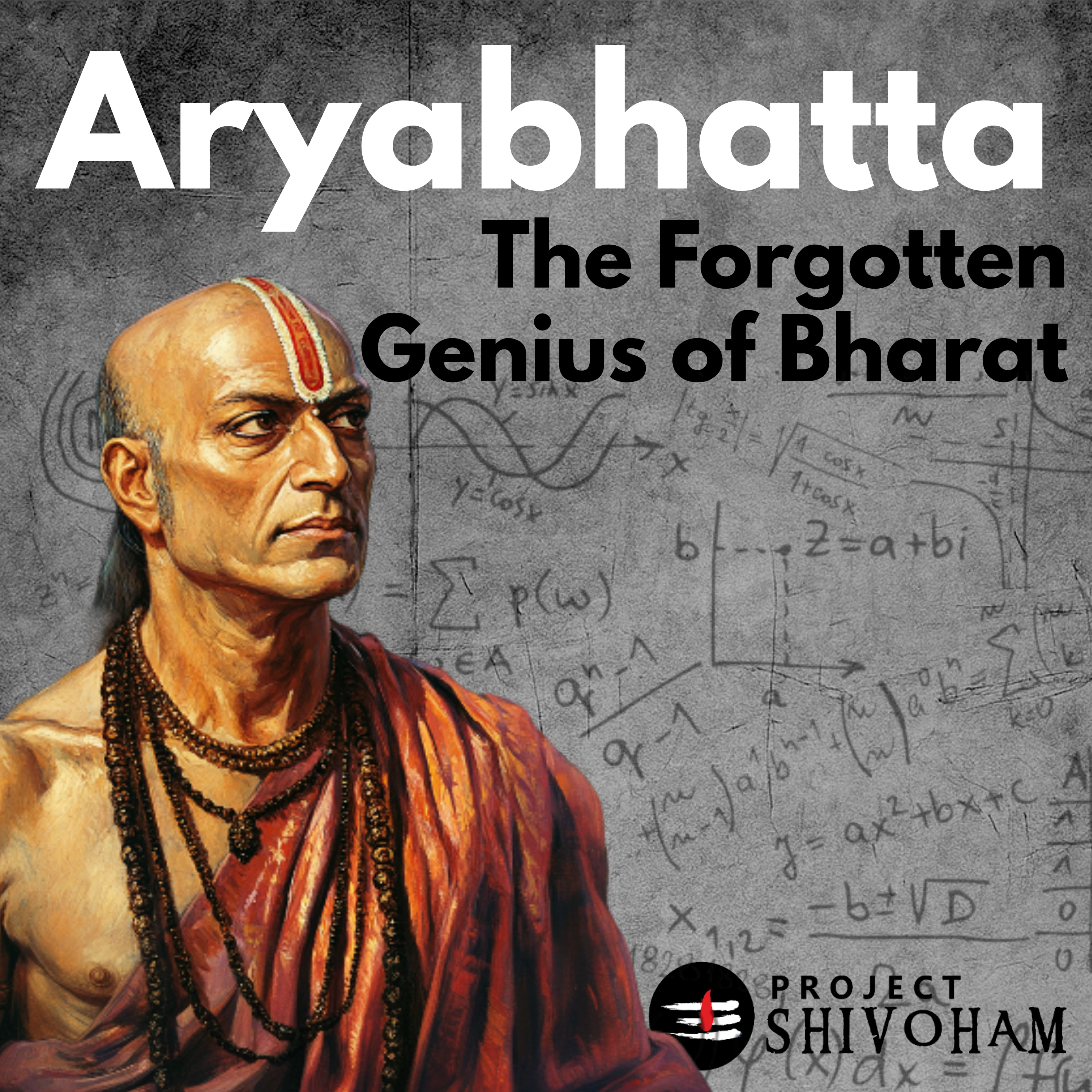
Aryabhata’s Forgotten Scientific Legacy
Most people know Aryabhata as the man who invented zero but that popular story is neither complete nor historically precise.Around 1,500 years ago, Aryabhata calculated pi with astonishing accuracy, developed a sine table, solved complex equations, explored planetary motion and explained eclipses through shadows rather than mythology. He even used the analogy of a moving boat to explain how Earth’
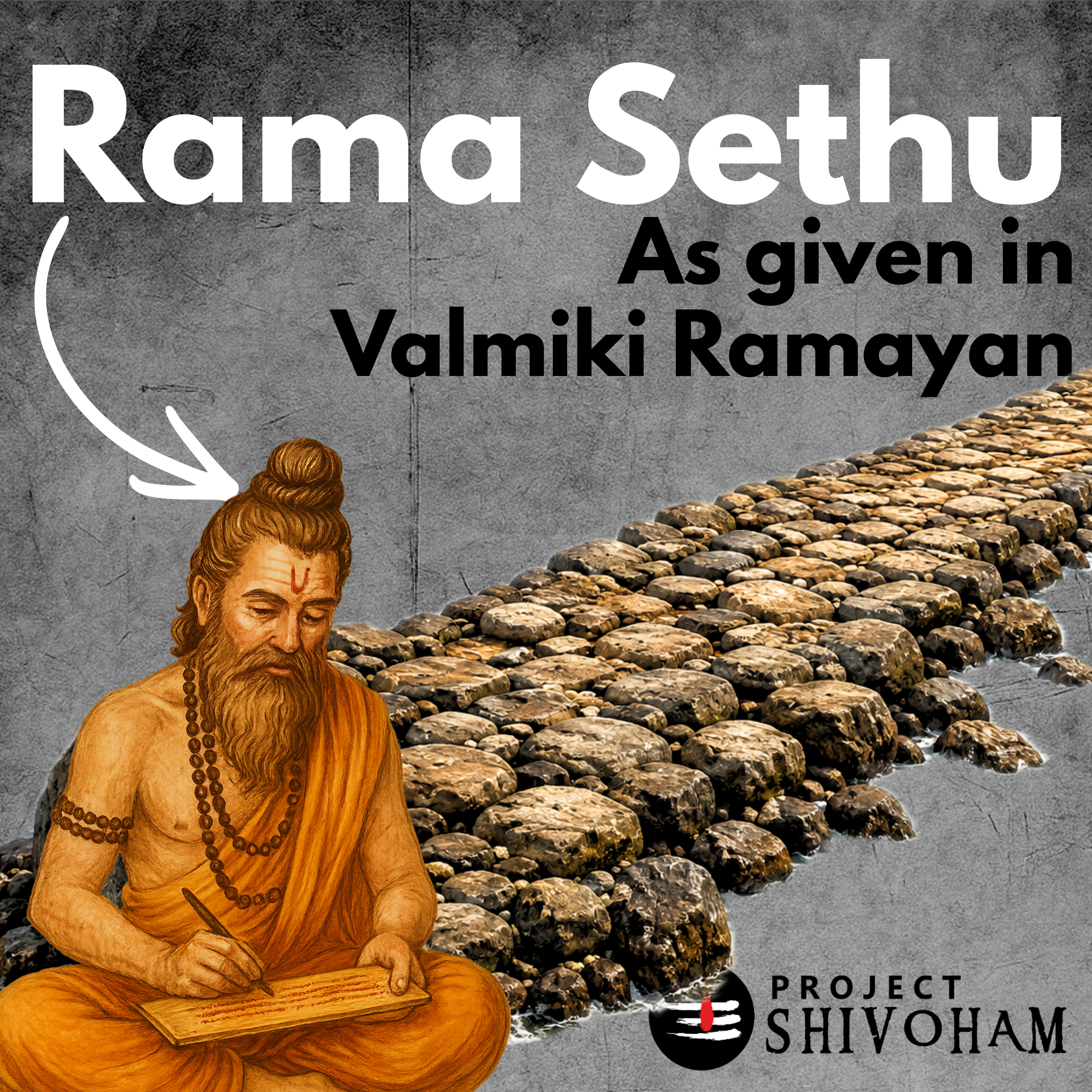
Rama Setu: What the Valmiki Ramayana Actually Says
Did the stones of Rama Setu magically float? Who actually built the bridge and why does the Valmiki Ramayana call it Nala Setu?In this episode, we return to the original epic to examine its fascinating description of the crossing to Lanka: an enormous Vanara workforce, trees and rocks carried into the ocean, measurements taken with cords, and a bridge reportedly completed in just five days.We also

Why No Dogs in Australia?
Australia is home to some of the most extraordinary animals on Earth.Kangaroos. Koalas. Wombats. Platypuses.But there is one animal that doesn't seem to belong.The dingo.For more than 60,000 years, humans lived in Australia. Yet the dingo appears only around 4,000 years ago.Where did it come from?Who brought it?And why does its arrival coincide with one of the most debated chapters in Australi
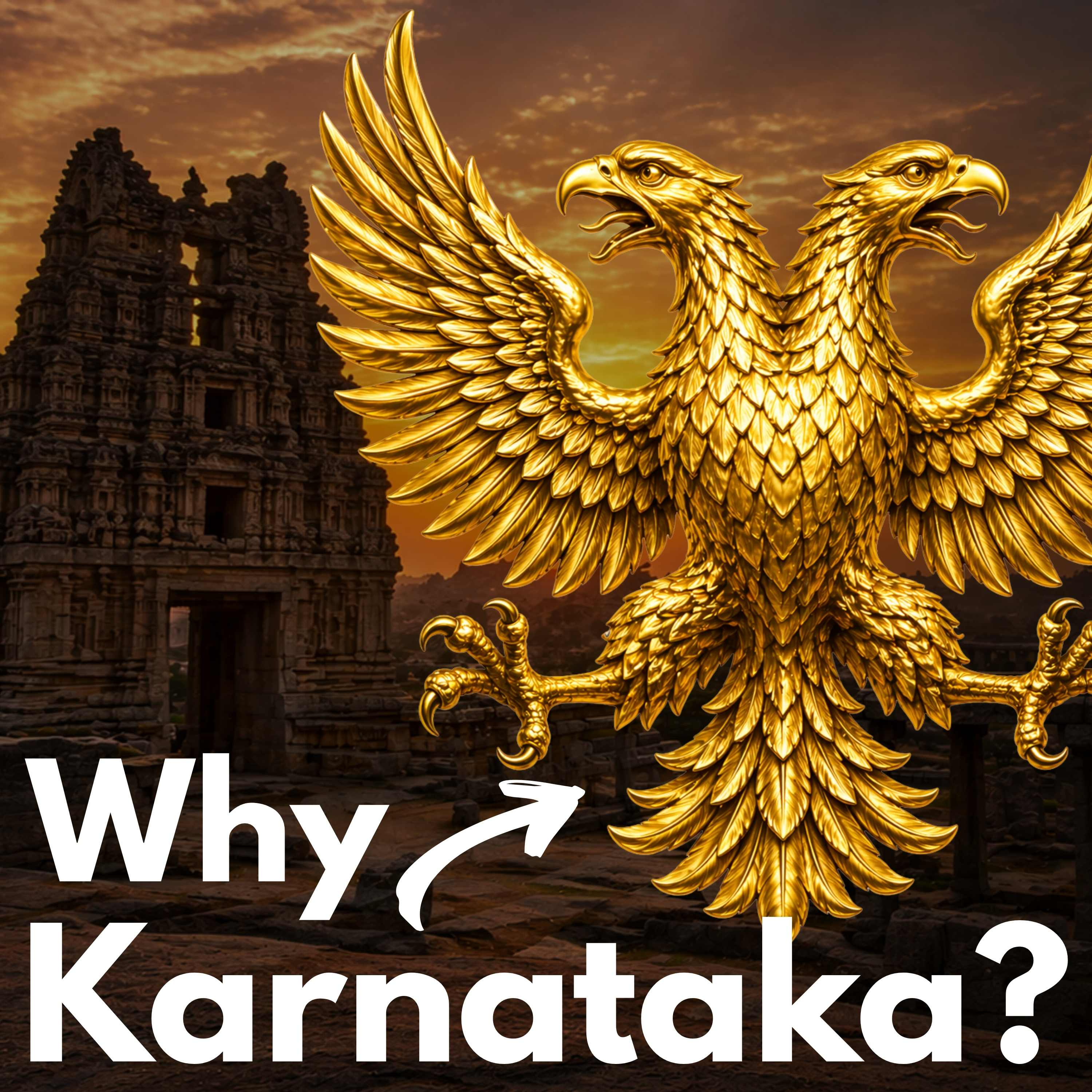
Why Does Karnataka Use a Two-Headed Bird? | The Story of Gandabherunda
Why does Karnataka use a mysterious two-headed bird as its official emblem?For centuries, the Gandabherunda has appeared in South Indian art, royal insignia, temple sculptures, and the banners of powerful kingdoms. But this extraordinary creature is far more than a decorative symbol. Associated with immense strength, divine power, and imperial authority, the Gandabherunda became one of the most re

Did Indian Scientists Finally Find Saraswathi in 2026?
For centuries, the Saraswati River has stood at the center of one of India's greatest historical mysteries. Revered in the Rig Veda as a mighty river and remembered in tradition as part of the sacred Triveni Sangam, Saraswati eventually vanished from the landscape—leading many to dismiss it as mythology.But what if the story is more complicated?Recent scientific investigations at Prayagraj hav
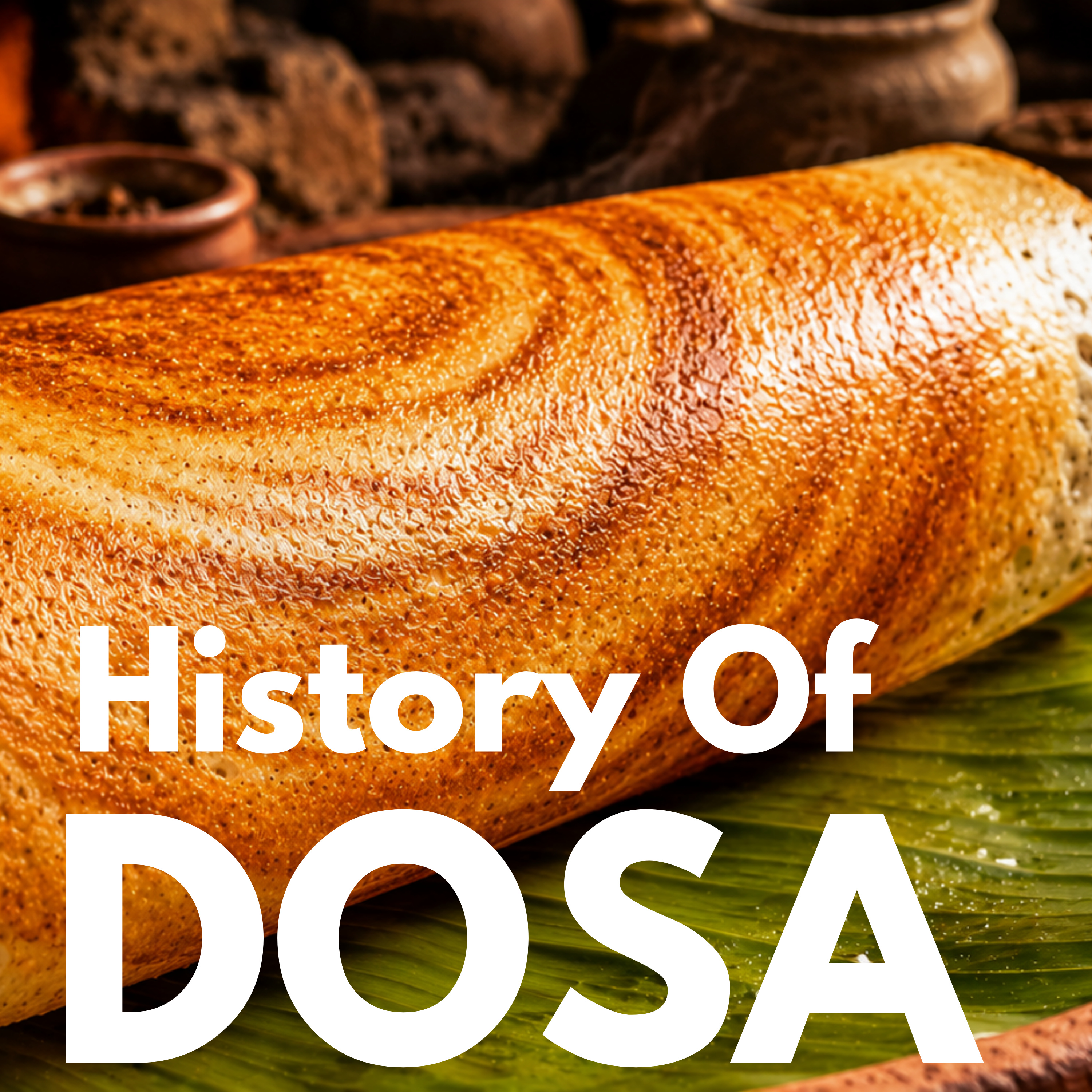
Who Invented the Dosa? The 2,000-Year Journey of India's Iconic Dish
Dosa is one of the most famous foods in India today, but where did it come from? Who first created it? And what ancient innovations made it possible?In this episode of Project SHIVOHAM, we trace the remarkable history of dosa from early South Indian culinary traditions and the science of fermentation to the technologies of rice cultivation, wet grinding, and stone griddles that transformed simple
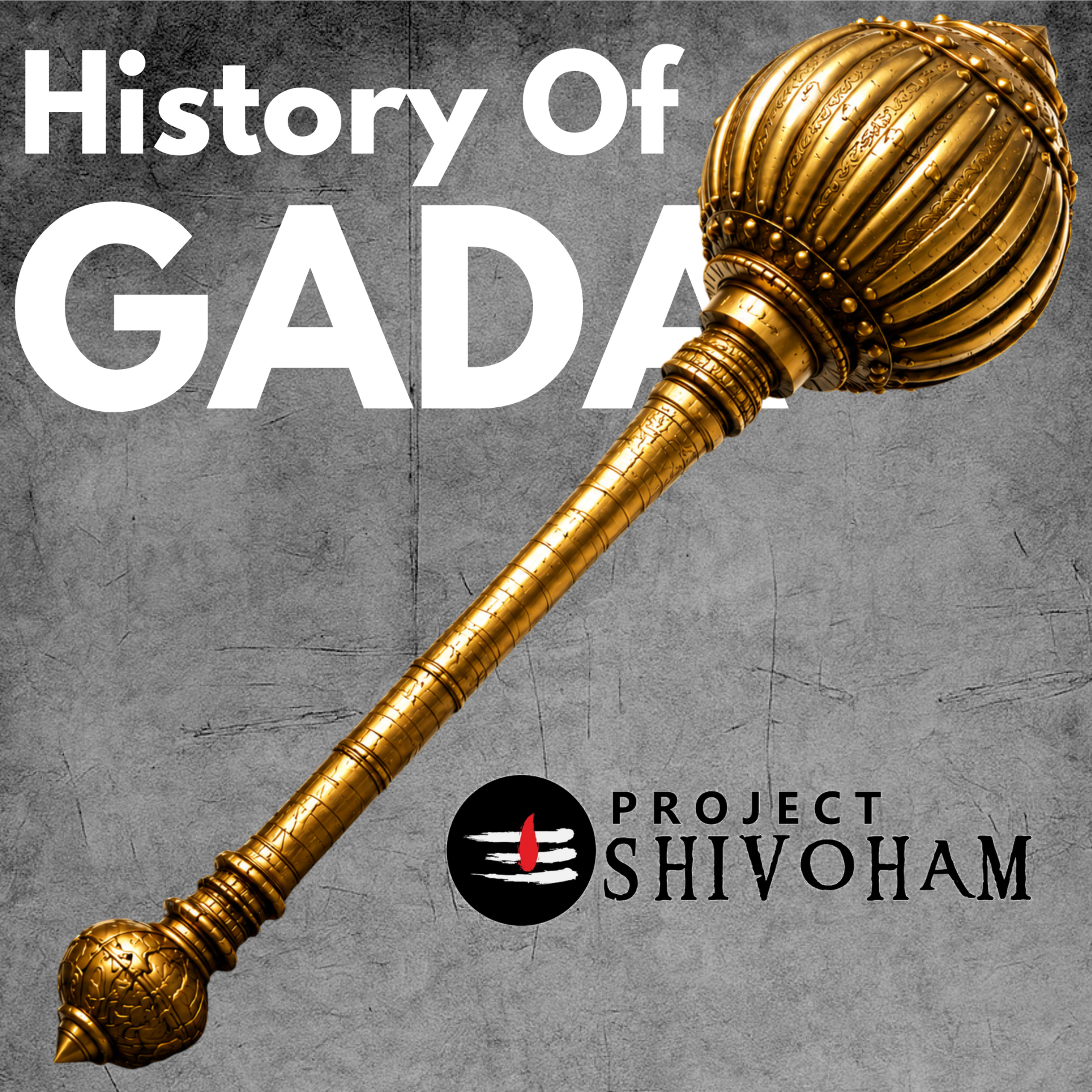
Why Gada is Deadlier than Sword?
What made the Gada one of the most feared weapons of the ancient world?Long before it became associated with Hanuman and Bhima, the Gada was already shaping history. Archaeological discoveries from the Indus Valley Civilization reveal that versions of this weapon existed more than 4,500 years ago. From Harappan stone mace-heads to medieval iron Gurjs, from royal courts to wrestling Akharas, the Ga

Sinauli: The Forgotten Warriors of Ancient India in 2000 BCE
In 2018, archaeologists excavating the village of Sinauli in western Uttar Pradesh uncovered one of the most remarkable discoveries in Indian archaeology: warrior graves, copper-covered coffins, antenna swords, shields, helmets and three ancient chariots. Dating to around 2000–1800 BCE, these finds offer a rare glimpse into a forgotten warrior culture that flourished nearly 4,000 years ago. In thi

Dhanurveda: The Sacred Science of War
Ancient India did not view warfare as mere violence.It elevated warfare into a science.A sacred science.Known as Dhanurveda, the Upaveda of military knowledge, this remarkable tradition combined weapon engineering, metallurgy, archery, battlefield formations, military psychology, physical conditioning, ethics, and spiritual discipline into a single integrated system.According to traditional accoun
Recommended
The History Of Bangalore

A Century Of Stories

History of our beloved Prophet مُحَمَّد ﷺ in Malayalam | Seera of Prophet Muhammed ﷺ
Iti Itihaas
Stories Of India Retold
All About India Insider Tales

Dawood Ibrahim Full Life Story In Hindi | December 26, 1955 To 2026

Padhaku Nitin

Bharat Unscripted
Namaskar India - Tales from Indian History and Mythology
The Lotus Archive
The Hidden History of Bengal: Kingdoms, Empires, and Revolution — Fexingo History