Books and Authors
Hindustan Times - HT Smartcast 348 episodes 26 Mar 2026
National Books Editor Manjula Narayan discusses books, authors, and their journeys in this podcast. Each episode features conversations with writers, offering insights into their works and creative processes. The show is a Hindustan Times production brought to you by HT Smartcast.
Episodes
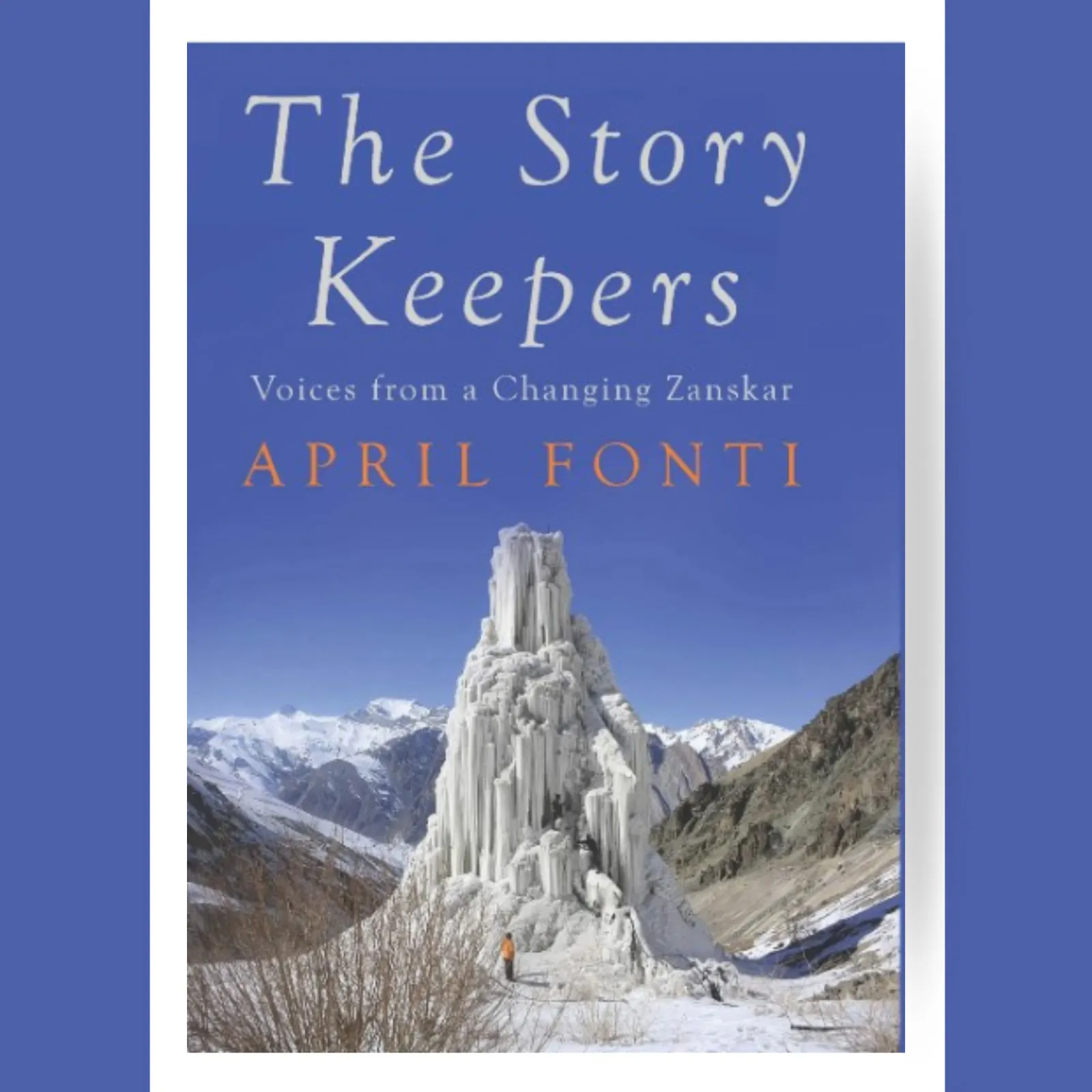
The Road to Zanskar
"Even in winter, twice a month, the first postmen in Zanskar in the 1980s climbed rock faces and crossed frozen rivers -- if you fell in, you could die -- in a journey that took three days, to deliver the post. Then, there's the first allopathic nurse in the region, who once walked without stopping through deep snow for three nights to save a woman in labour. What extreme tourists do today for fun

Slow and steady wins the race
"The fossil fuel age gave us speed. This, on the one hand, allows us to think, 'I'm going faster', but it never defines 'faster to where, and to what?' You become a victim of speed -- always trying to catch up with yourself. The climate crisis is a result of chasing speed mindlessly, endlessly. Slow living is mindful; it's caring of the earth and of community. Healing our relationship with the Ear

The quiet pull of the Pune police procedural
"The way I look at it, whydunnit is actually more important than whodunnit. There are only so many permutations and combinations you can think of in terms of whodunnit. It's finite whereas whydunnit is extremely important because what drives the person? I read a lot of news and I really wonder about the depths to which people can fall"- Salil Desai, author, 206 Bones; An Inspector Saralkar Mystery
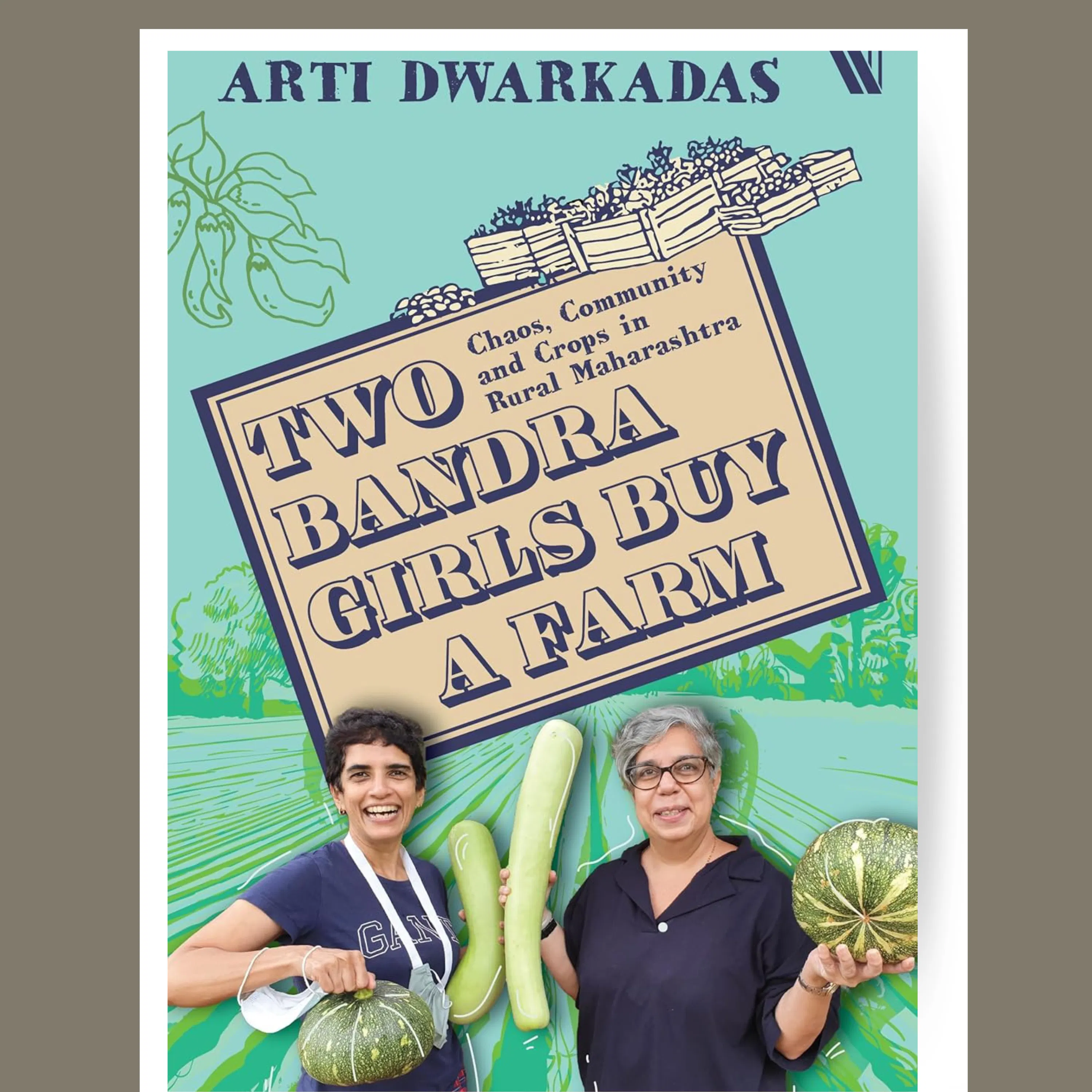
A return to the land
"We went in with urban confidence and rural reality hit us in the face at every turn! Establishing a farm is probably the most difficult thing I've done. I think everybody should do it."- Arti Dwarkadas, author, Two Bandra Girls Buy a Farm, talks to me about growing varieties of rice, mangoes, tomatoes and more on the patch of land in rural Maharashtra that she and her friend Suzann have been nurt
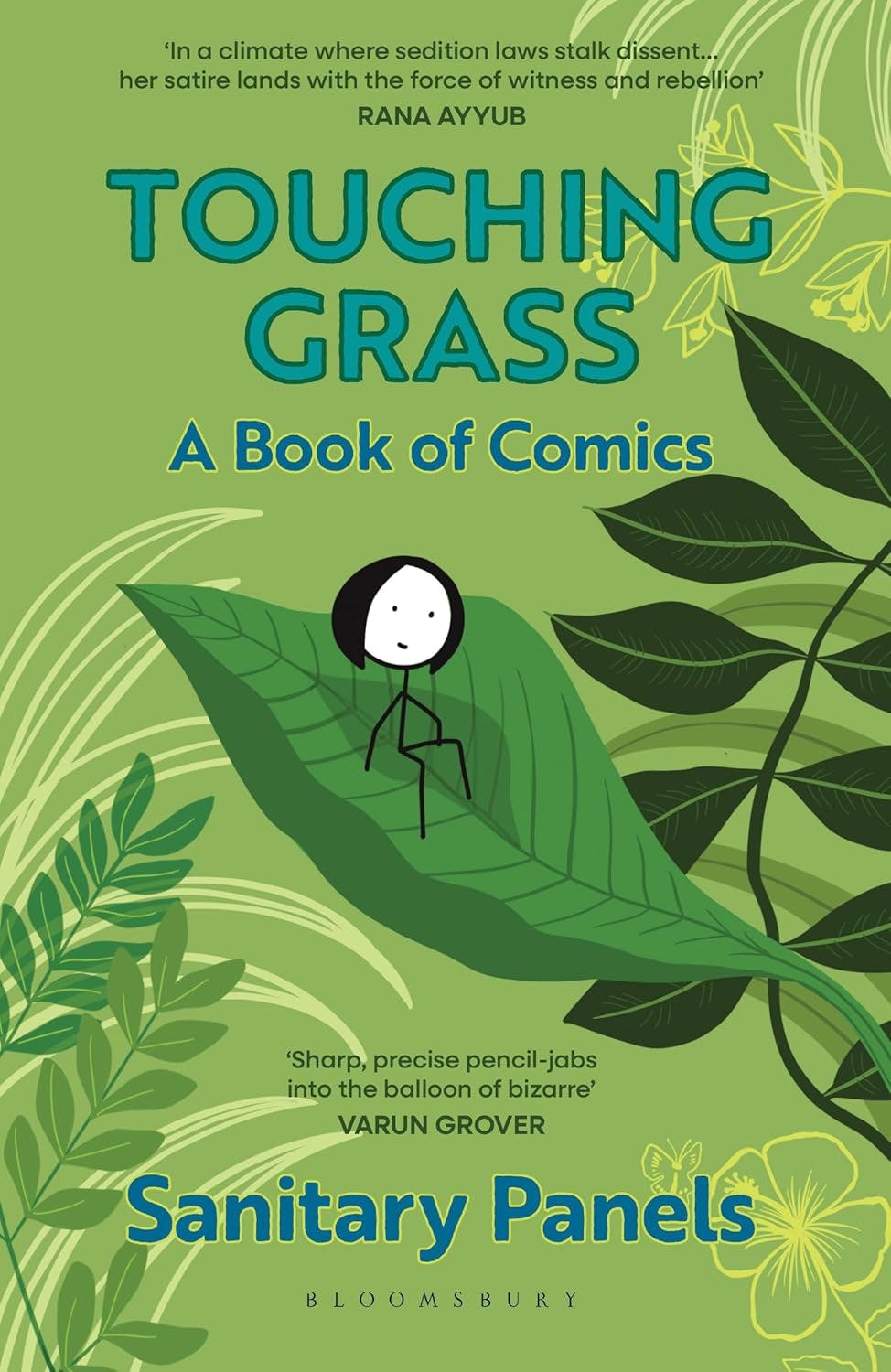
Using stick figures to demolish dubious politics, doublespeak and more
"You may try to believe that you are living in a First World country and that your reality differs from that of a poor person in your vicinity. But, at the end of the day, you will face the same existential threats that they do. Through my comics and the essays in this book, I'm trying to reach people who have the same privileges as I do; those who tend to ignore politics because it benefits them.

A fight against forgetting
"Comics and literature allow us to enter worlds through our imagination; it is a medium of not-saying. We read because we want to get into the interior worlds of say, a family living in a room in Algiers. Cinema does not give that because the director decides, though TV sometimes does give that. But through comics and literature we get into the extraordinariness of the interior world." - Sarnath B

A people willing to sacrifice their lives to save nature
"The Salman Khan story reached the headlines and people thought, well, if the Bishnois can go for him so effectively, it's not safe to poach there. It has actually reduced poaching. So many Bishnoi die protecting nature; they will go unarmed against poachers. The Bishnois all share the horror of what Salman Khan did but the Lawrence Bishnoi method is completely the opposite of what the community b

Jewellery: Of ornamentation and adornment
"I don't think you will find anyone in India who doesn't wear a piece of jewellery [of some sort]. The Amrapali Collection is a pan Indian one. The jewels in this book are worn by pastoralists, the agricultural communities, the villagers of our country. I look at jewellery as works of art. Our villagers are no longer what they were. So it was important for me to document this art form before it va

Tatti tales: The things you can learn from animal poop
"Poop acts like social media for many herbivores. Besides, the droppings of whales tackle climate change, while elephant waste helps regrow forests. Wild animal poop is helping science and conservation and is also used in zootherapy" - Shweta Taneja, author, The Big Book of Wild Poop, talks to Manjula Narayan about everything from the finicky housekeeping habits of ants and how some DNA researcher

From poffertjes to perad and pepper water
"I used to be very possessive of my recipes. I didn't want to give them away until a senior chef told me, "Listen, even if you give the recipe, everybody's hand is different; it will not be the same." Then, as time went on, I said, actually, some of these recipes should be preserved and if my children are not going to carry it on then at least other people in the community should know about them.

Reading, writing, rocking
"The thing about being a writer is that we write from a sensitive, empathetic place but we are also ruthless in that when we are grieving, we take notes of our grief. Ruskin Bond told me that the best way to write about people is just to live long enough that they all die before you. It succeeded with him; hopefully, it will succeed with me!"- Twinkle Khanna, author,
Mrs. Funny bones Returns, ta

On journeying through life
"To be alive is, in many ways, to travel; it's to journey through time. We tend to think of travelling as something that involves space or place or geography; moving from one place to another. But the other aspect of travel is just journeying through time; every human being alive journeys through it. I write about journeying through language, grief, parenting...These are universal milestones. I lo