From The Marginlands with Prem and Arati explores uncomfortable environmental issues through in-depth conversations. Each episode features curated guests discussing how stories about the environment are told and how climate change manifests around the world. The podcast focuses on candid, thoughtful examination of ecological and climate-related challenges.
Episodes

What Will 2027 Summer Look Like? Water, Electricity, Heat -- Are We Prepared?
Contact us:Email the PodcastArati Kumar-Rao on Instagram Prem Panicker on X (Twitter) Prem on SubstackFrom The Marginlands on Instagram

The State Sees Pipes; Our Rivers Have Other Ideas -- Parineeta Dandekar on People, Poetry, Politics, & Paisa
Parineeta Dandekar of the South Asia Network on Dams, Rivers and People (SANDRP) joins us to talk about what makes a river a river, and what happens when we treat it as plumbing. From Himalayan dams and river-linking schemes to the Godavari’s pollution crisis, we explore what our plans for rivers leave out: fish, floodplains, livelihoods, culture, tradition, songs and stories. Through it all runs

When The Fever Map Changes & Cures Stop Working: Talking Health & Climate with Ramanan Laxminarayan
In this episode we talk to epidemiologist Ramanan Laxminarayan about what ails India's health. He makes the case that the biggest threat is the silent spread of noncommunicable disease, and that India is good at health events, but weak at the unglamorous, sustained work of public health. The conversation moves through eradication and elimination, dengue, climate extremes and heat, Nipah and b

Oceans Are Absorbing Heat Equal To 12 Hiroshimas Every Second: Implications are HUGE
In this wide-ranging conversation with Arati (Prem was out sick, sadly), Dr. Roxy Koll explains why climate change is no longer a distant, gradual phenomenon but an accelerating cascade of interconnected risks. They discuss El Niño and monsoon dynamics to extreme rainfall, Himalayan hazards, sea-level rise, urban heat, forest-driven rainfall recycling, climate-sensitive disease, agriculture, and t

Assam's Floods (once a boon) Are So Destructive Now - Why? Arupjyoti Saikia Explains
Assam’s July floods were explained as a consequence of heavy rainfall. That is true, but incomplete. Historian Arupjyoti Saikia joins us to uncover the much longer history behind the catastrophe: the earthquakes that transformed the Brahmaputra, the failed embankment experiment, changing sediment, dams and extraction in the highlands, erased wetlands, and a political economy built around flood con

When The World Is Connected But Our Planning Is Not
Contact us:Email the PodcastArati Kumar-Rao on Instagram Prem Panicker on X (Twitter) Prem on SubstackFrom The Marginlands on Instagram

We Know What Rom Whitaker Did That Summer (and now you will too!)
Romulus Whitaker has spent close to seven decades following snakes into the larger worlds around them: forests and rivers, laboratories and hospitals, and the deep ecological knowledge of the Irulas. In this conversation, he tells us how the Snake Park and Croc Bank became informal universities, why India’s “Big Four” antivenom model no longer fits the science, and what is lost when traditional kn

When Rains Fail, What Should The City Do? Vishwanath Suggests ...
The 2026 monsoon is failing, the Cauvery catchment is running dry, and the reservoirs feeding Bengaluru are alarmingly low. So Arati Kumar-Rao and Prem Panicker call back the one person who can tell us what it means: S. Vishwanath, who first argued on Season 1 of this show that the city's water crisis was one of management, not scarcity -- a statement now tested against a year when the rain g
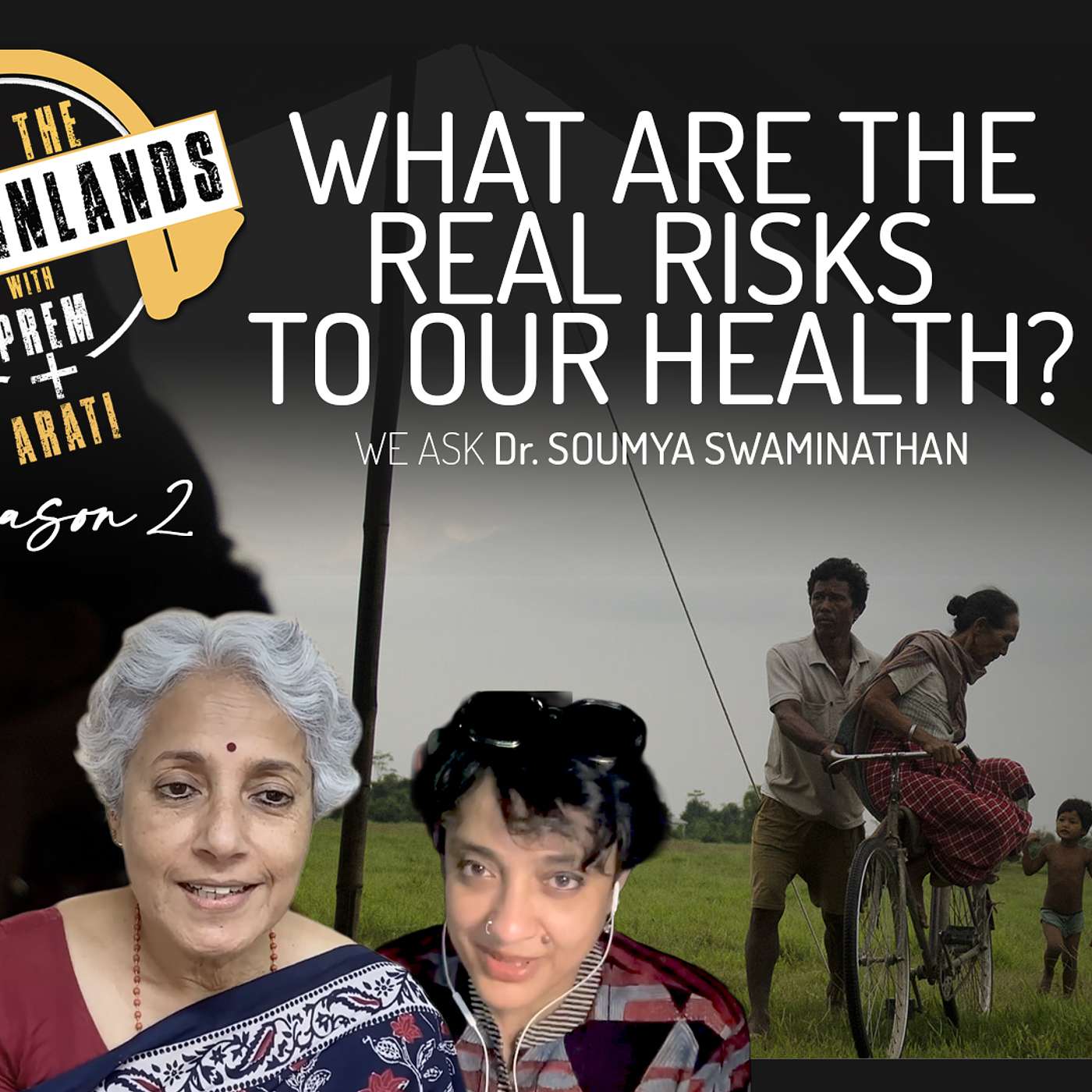
What Are The Real Risks To Our Health? We Ask Dr. Soumya Swaminathan
Most people in health pick a lane — clinician, researcher, or policymaker. Dr. Soumya Swaminathan has been all three for forty years: a paediatrician who became a leading TB and HIV researcher, then the WHO's first-ever Chief Scientist, steering global science through COVID. She now chairs the M.S. Swaminathan Research Foundation, and was just elected to the Royal Society — making her and her

Why Care About the Environment? (When People Are Being Killed) -- Mahesh Rangarajan
A young person once asked: why care about nature when people are dying in Gaza? Environmental historian Mahesh Rangarajan gives the long answer — why the choice between people and the planet was always false.In previous episodes of this podcast, our guests have talked to us about particular rivers, forests, seasons, environmental fissures. This time, we take the whole arc. Environmental historian
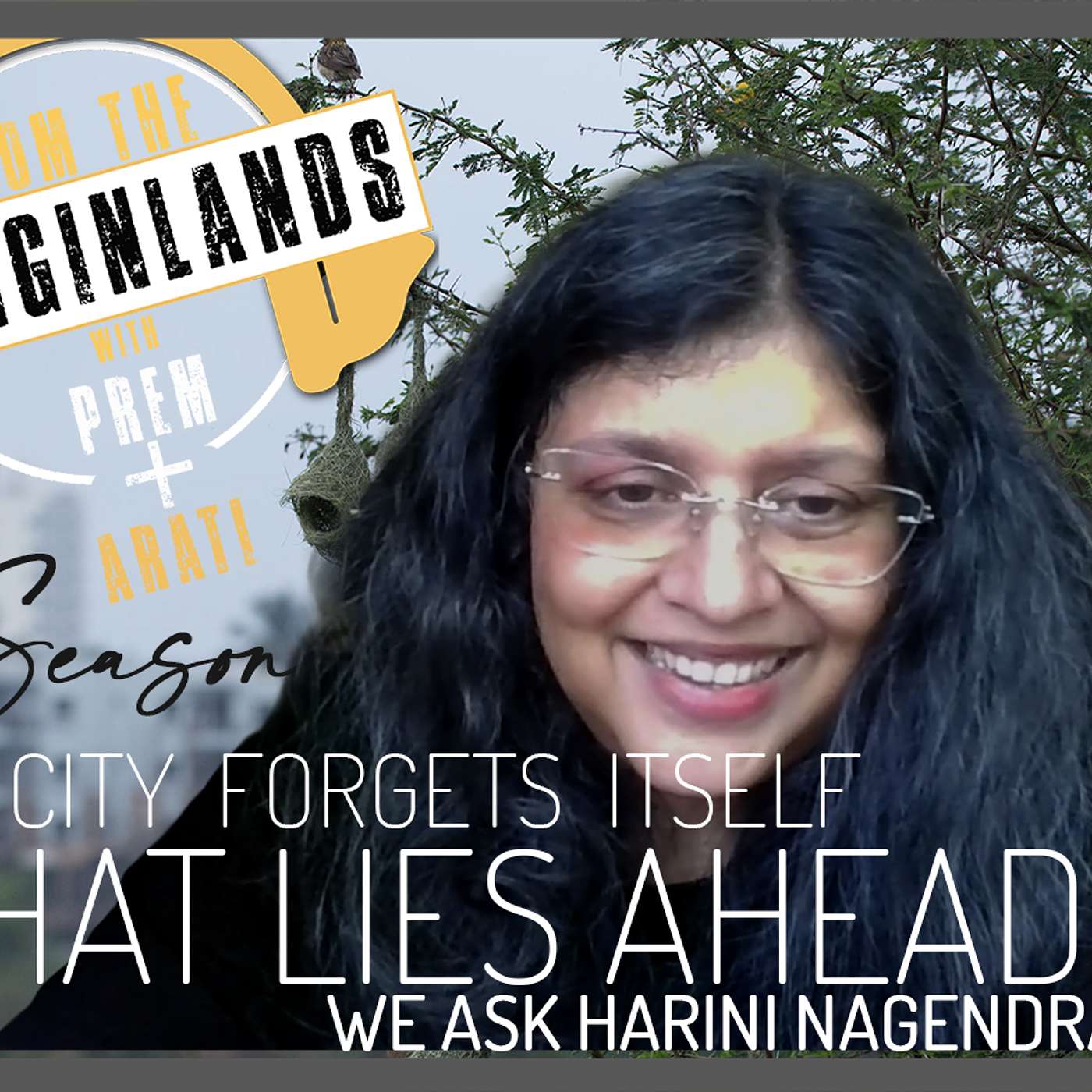
If A City Forgets Itself, What Lies Ahead? We Ask Harini Nagendra
n this episode of From The Marginlands, Arati Kumar-Rao and Prem Panicker speak with ecologist and writer Harini Nagendra about the lost ecological memory of Bengaluru — a city once shaped by lakes, wetlands, trees and commons that sustained both biodiversity and community life.Drawing on decades of research into urban ecology, Harini traces how cities slowly sever themselves from local water, foo

What is life like in the Sundarbans? Annu Jalais Weighs In
In the second episode of Season 2 of From the Marginlands, Arati Kumar-Rao and Prem Panicker speak with environmental social anthropologist Annu Jalais, whose 27+ years of research in the Sundarbans reveals a world far more complex than standard conservation narratives. We explore human–tiger coexistence, forest labour systems, migration, gender shifts, and the hidden hierarchies reshaping life in